ULEZ, Clean Air Zones, Parking and Tolls: What Self-Employed Drivers Can Claim On Top of Mileage
HMRC's 45p per mile isn't the whole story. A long list of daily charges — ULEZ, CAZ, parking, tolls, congestion charges — can be claimed in addition to mileage. Most self-employed drivers never bother. Here's how it actually works.
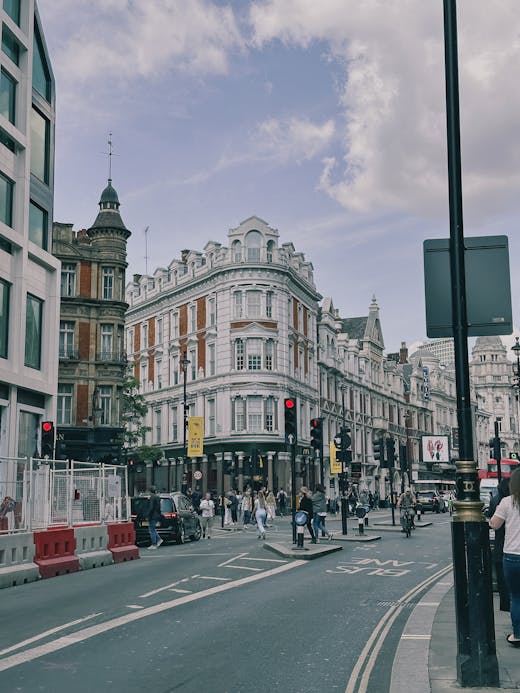
Last week I wrote about how fuel prices have just spiked 20 to 40 pence a litre, squeezing the margin inside HMRC's 14-year-old 45p mileage rate. But fuel isn't the only thing making business driving more expensive in 2026. It's arguably not even the biggest thing, depending on where you work.
If you drive into London you're paying £12.50 a day for ULEZ on top of everything else. Birmingham, Bristol, Bradford, Sheffield, Portsmouth, Tyneside and Bath all have some form of Clean Air Zone now. The Dartford Crossing is £2.50 each way. The M6 Toll is £9.00 for a car. A day parked in central Manchester is £25. A day in central London is closer to £60.
The good news: almost none of that comes out of your 45p. It's claimable separately, as a business expense, for every journey that was genuinely for work.
The catch: you have to keep receipts and records, and most self-employed drivers don't.
What the 45p rate does cover
A quick recap. HMRC's Approved Mileage Allowance Payments (AMAP) rate is designed to cover the running costs of using a personal vehicle for work:
- Fuel
- Insurance
- Road tax (VED)
- MOT and servicing
- Tyres and general wear-and-tear
- Depreciation
If you claim the 45p rate, you cannot also claim any of those things separately. That's double-dipping, and HMRC is very clear about it.
What the 45p rate does not cover
Everything else. Specifically, any charge or fee that is incurred in addition to the act of driving itself. In HMRC's language, these are "incidental costs" of business travel, and they are allowable as separate expenses as long as the journey was for business purposes.
That list includes:
- ULEZ daily charge (£12.50 in Greater London)
- Clean Air Zone charges in other UK cities
- London Congestion Charge (£15 weekdays)
- Tolls (Dartford, M6 Toll, Mersey Gateway, Tyne Tunnel, bridges)
- Parking fees and parking meters
- Car park charges, including at airports and stations
- Ferry charges for you and your vehicle (where relevant)
Parking fines and speeding fines are not claimable. HMRC is explicit that penalties for breaking the law aren't allowable business expenses, even if you incurred them on a business trip.
ULEZ: HMRC confirmed it's claimable
When the London ULEZ was expanded to cover all 32 boroughs in August 2023, there was confusion about whether the daily charge could be treated as a business expense. HMRC confirmed at the time that it can — as long as the journey was for business purposes. That position hasn't changed.
The daily charge is £12.50 for most non-compliant cars, vans and motorbikes, and £100 for heavier non-compliant lorries. If you enter or move within the zone on a business day, the charge is claimable. If you enter on a Saturday to visit your mum, it isn't.
The ULEZ covers almost 1,500 square kilometres now. If you're a tradesperson, care worker, estate agent, delivery driver or any other sort of mobile self-employed worker in the Greater London area, it's hard to avoid. £12.50 a day, 200 working days a year, is £2,500 — claimable against tax. On a 40% tax band that's around £1,000 back in your pocket.
Clean Air Zones outside London
Seven English cities now run some form of Clean Air Zone with a daily charge for non-compliant vehicles:
- Birmingham (Class D): £8 a day for cars, vans, taxis. £50 for buses, coaches, HGVs.
- Bristol (Class D): £9 a day for cars, £100 for HGVs.
- Bath (Class C): charges buses, coaches, taxis, vans and HGVs — cars exempt. £9 to £100.
- Portsmouth (Class B): charges buses, coaches, taxis, HGVs — cars and vans exempt.
- Sheffield (Class C): £10 for vans, taxis, coaches. £50 for HGVs. Cars exempt.
- Bradford (Class C+): £7 to £50 depending on vehicle type.
- Tyneside (Class C): Newcastle and Gateshead. £12.50 for vans, taxis. £50 for HGVs.
Scotland also operates four Low Emission Zones in Glasgow, Edinburgh, Dundee and Aberdeen, with a flat fine structure rather than daily charges — but if your non-compliant vehicle enters, you pay.
The same HMRC principle applies: if you paid it for a business journey, it's claimable. Use the Honest John CAZ checker or GOV.UK's clean air zone finder to check your vehicle.
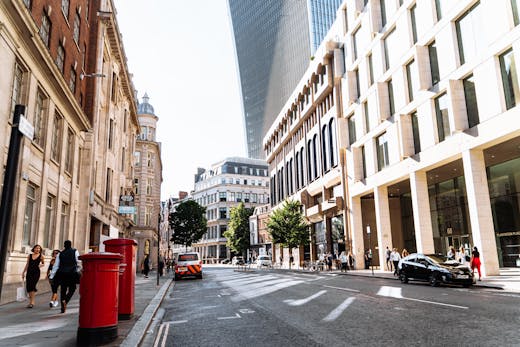
Worked example: a London-based plumber
Imagine a sole-trader plumber whose van is just old enough to fail ULEZ compliance. They do 220 working days a year and enter the zone on around 150 of them. They pay for parking at around 60% of visits, averaging £6. They cross Dartford twice a month on supplier runs.
- ULEZ: 150 × £12.50 = £1,875
- Parking: 150 × 0.6 × £6 = £540
- Dartford Crossing: 24 × £2.50 = £60
- Total claimable expenses on top of mileage: £2,475
At the 20% basic rate plus Class 4 NI (6%), that's roughly £640 back. At 40% tax, it's closer to £1,040. Either way, substantially more than a rounding error — and completely separate from the mileage claim.
What counts as a "business journey"?
Same test as for mileage. The journey has to be wholly and exclusively for business purposes. A trip to a client site: business. A trip to the supplier: business. A trip to your regular workplace from home: a commute, not business, so the parking and any ULEZ charge incurred along the way isn't claimable.
The 45p rate follows the same logic, but the effect is more visible with these extras. If you pay £12.50 ULEZ on a Monday driving from home to your regular office, none of it is claimable. If on Tuesday you drive from home to a client site that happens to be in the same postcode, it all is.
In HMRC's eyes, "why were you there" matters just as much as "where you were".
How to keep the records
This is where most people fall down. The 45p rate is easy to evidence — it comes out of your digital mileage log automatically. Parking receipts, ULEZ confirmations and toll charges don't. They arrive as crumpled bits of paper in your pocket, emails in your personal inbox, or line items on a bank statement six weeks later.
Under Making Tax Digital for Income Tax, if you're over the £50,000 threshold you must now keep these records digitally. Even if you're below the threshold, it's still the only sensible way — HMRC can enquire up to four years later, and rifling through old Gmail for a ULEZ confirmation is not how you want to spend a weekend.
Good practice:
- Photograph parking receipts immediately. Most parking receipts fade to blank in weeks. A photo is permanent.
- Create a single email folder or label for ULEZ/CAZ/toll confirmations. Auto-file them there so they don't get lost.
- Attach the journey. A parking fee isn't claimable on its own — it has to be tied to a specific business journey. Attach the receipt to the trip in your mileage app or accounting software, not to a random folder.
- Keep records for at least five years after the 31 January submission deadline, per HMRC's record-keeping rules.
The point the accountants make
Self-employed drivers consistently under-claim on incidentals. Mileage gets tracked because it's the big obvious number. Parking, ULEZ and tolls disappear into the noise of a busy week, and at January self-assessment time nobody can be bothered to reconstruct them from bank statements and half-remembered Monday mornings.
On a modest client-facing self-employed career with any significant time in a city, that's £1,000 to £3,000 a year in extra legitimate expenses. Not claiming them is the same as giving the tax man a small annual donation.

All Premium features free until 5th April 2027 (end of 26/27 tax year). KeptMiles tracks every business journey automatically so you never lose one — and each journey is the hook you attach your ULEZ, parking and toll receipts to, so nothing slips through at tax time.
Bottom line
The 45p rate covers a lot, but it doesn't cover everything. Anything you pay because of a business journey — a zone charge, a toll, a parking meter — is claimable separately, in addition to the mileage itself.
The only things that stop self-employed drivers claiming these properly are (1) forgetting to keep the receipts and (2) forgetting which journey they belonged to. Fix both of those and the money is there, sitting in the records you already have to keep for MTD anyway.